Handymax bulk carrier
Typically measuring between 150 and 200 metres in length, these bulk carriers have five cargo holds and four cranes and usually carry anywhere between 35,000 and 50,000 tonnes. They are commonly used for transporting bulk materials such as grain, minerals sands and fertilisers.
.tmb-mediapanel.webp?Culture=en&sfvrsn=8cd0ab5f_2)
Panamax bulk carrier
Getting its name from its ability to pass through the Panama Canal’s smallest lock, the length of a Panamax sits at 294 metres with seven holds that can carry a combined total of 65,000 to 80,000 tonnes. Panamax vessels are used to transport bulk materials such as iron ore, grain and mineral sands.
321cb165c2764fe99479e895005b590a.tmb-mediapanel.webp?Culture=en&sfvrsn=186afe86_2)
Capesize bulk carrier
A Capesize carrier is the largest vessel that can enter our ports, and only our Port of Esperance due to the vessel’s greater depth (draft) of 18 metres. Typically these vessels are around 290 metres long (although we’ve seen some stretch an extra 10 metres), with nine cargo holds and a capacity of 170,000 tonnes, which often makes them a more economical choice for transporting large quantities over long distances. These vessels often transport iron ore.
.tmb-mediapanel.webp?Culture=en&sfvrsn=a8b96596_2)
Woodchips carrier
While these can be a little more difficult to spot compared to the bulk carriers (especially as bulk carriers can transport woodchips at times), the design of a woodchips carrier is specialised. These carriers typically have larger cargo holds that maximise volume for lightweight cargo. They often have six-to-nine cargo holds with conveyor systems.

Fuel tanker vessels
Fuel tankers have a long flat deck and a distinct piping network. They have a double-hull structure designed to carry large, often single-grade cargo loads like refined fuel.

Chemical tanker vessels
Chemical tankers, while they look similar to fuel tankers, feature smaller, individual tanks that can carry up to dozens of different products simultaneously, and therefore have a more complex piping network and system. Within our ports they usually carry caustic soda.
Combination carriers
Commonly used to transport caustic soda as well as alumina or bauxite, combination carriers are able to carry a liquid product in tanks and dry bulk product in cargo holds. They usually carry 72,500 to 80,500 tonnes, and are often seen at our Port of Bunbury.

General cargo vessel
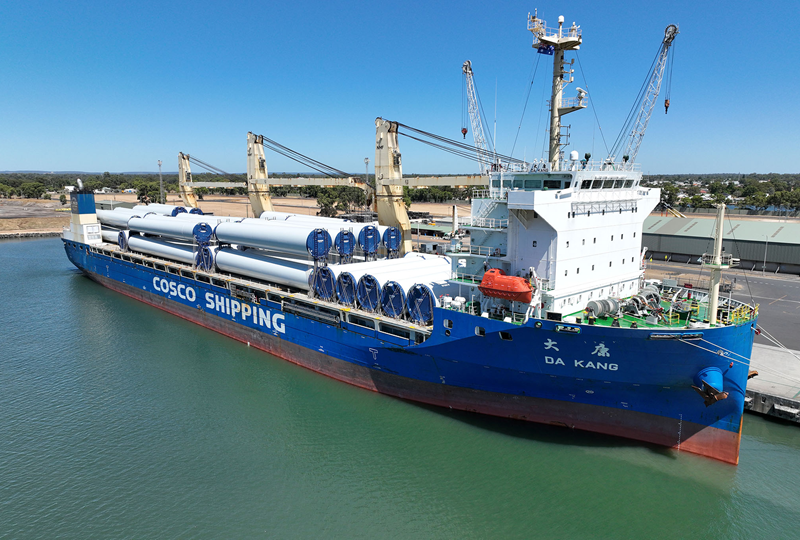
Often used for breakbulk or project cargo, these vessels are designed for non-containerised goods and feature onboard cranes and sometimes adjustable decks. They range in sizes with the smallest typically 100 metres in length, while the largest is 200+ metres.
Container vessel
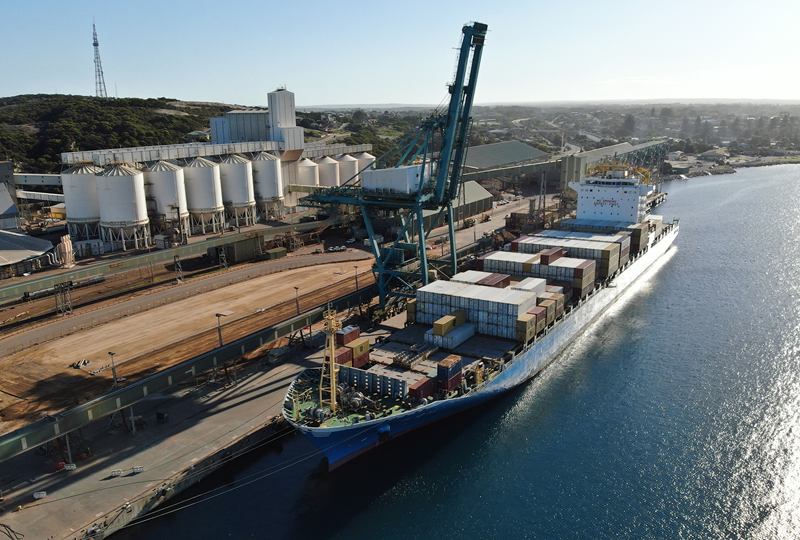
These specialised cargo vessels transport goods in steel containers worldwide, with each often-colourful container measuring between 20 and 40 feet. Container vessels can measure up to 400 metres for the ultra-large variants, but the ones that have previously visited our ports are usually around 200 metres long.
Passenger vessels
Commonly referred to as a cruise vessels, passenger vessels come in a wide range of sizes depending on cruise line, number of passengers it accommodates and its features. They are typically much taller than a bulk carrier.

Specialist vessels
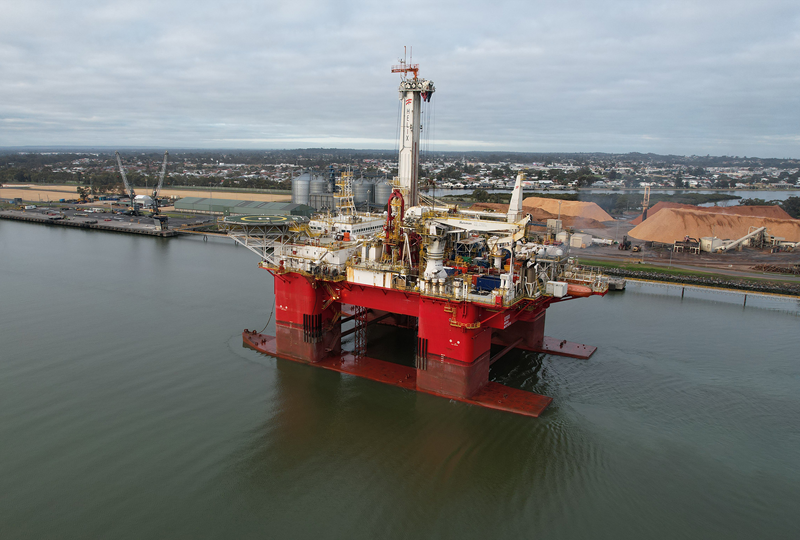
A range of other vessels visit our ports from time-to-time, including those from the Royal Australian Navy and Sugar Australia, as well as vessels that include ice breakers, offshore support vessels and other specialty craft.
Tugboat
A tugboat is a very special type of vessel designed to manoeuvre other vessels by pulling or pushing them. This movement can be facilitated via direct contact between the tug and the other vessel or by tow lines. Tugs perform a vital role in our ports – supporting the safe passage of larger vessels into and out of the Port.

Pilot boat
Pilot boats have an important role of transporting our pilots to and from vessels visiting. The pilot boat is carefully positioned alongside the vessel to facilitate the pilot transfer, ensuring the safe ascent to, and descent from, the ship. In our ports they are typically bright yellow or orange.

Lines boat
Lines boats play an important role in safely mooring ships. These small vessels are used to collect the mooring ropes from ships, which are lowered into the water by the ship’s crew, and deliver them to the stevedores on the berth’s edge. The stevedores then secure the ropes to the bollards, holding the vessel safely alongside the berth.

Dredging vessel
These vessels are used for periodic maintenance of our channels to ensure declared depths are maintained for vessels to safely enter into and out of our ports.

Did you know?
The Southern Ports logo is made up of three of these vessels. It’s the Capesize, Handymax and Panamax, three iconic ships, crossing paths on their journeys.
These ships symbolise Southern Ports’ three ports at Albany, Bunbury and Esperance, each exploring unique paths through uncharted waters with a spirit of adventure, while forming intersections that reflect our connection to our local and global communities.
United in purpose, the ships create a guiding star at the centre, representing our shared commitment, three ports working in harmony to move our world forward.


